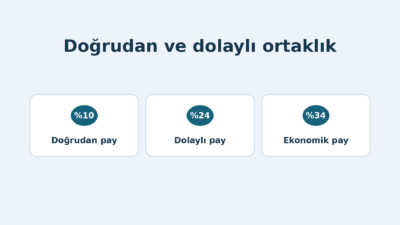
Papa Johns is a pizza brand of the US-based and publicly traded company Papa John’s International, Inc. The chain is based on the venture started by John Schnatter in 1984. The company’s shares are traded on Nasdaq under the PZZA ticker. In Türkiye, PJ Gıda presents itself as the main franchise operator of the brand. The founder, the company on the stock market, and the operator in Türkiye have different roles.
At a glance
| Brand | Papa Johns |
|---|---|
| Company | Papa John’s International, Inc. |
| Founder | John Schnatter |
| Start | 1984, USA |
| Stock ticker | Nasdaq, PZZA |
| Türkiye master franchise operator | PJ Gıda |
Who founded Papa Johns?
The chain’s origins trace back to John Schnatter and 1984. The company’s past annual report separately notes that the business idea emerged in 1984 and that the first Papa John’s restaurant opened in 1985. The first year of sales for a restaurant venture doesn’t explain all the corporate operations of the current publicly traded company. Historical information about the chain’s founder is assessed separately from later records of who held the shares.
The ‘John’ in Papa John’s refers to the brand’s founder. This name is still used on the restaurant signage today. However, keeping the name doesn’t mean that Schnatter ran all the chain’s restaurants or that the entire company belonged to him. To understand a brand name’s origin, you look at the founding history; to understand the company’s current structure, you check annual reports and investor documents. This distinction is especially important for publicly traded companies that carry the founder’s name.
In Papa John’s annual report, international restaurant operations and supply and distribution activities in North America can be seen under separate headings. For example, the company operates quality control centers in some markets that deliver dough and other products to restaurants. The work of these centers is not the same activity as preparing an order in the store. This supply model, described at the group level in the report, by itself does not indicate which business a particular branch in Türkiye belongs to.
Another distinction in the franchise relationship is between the company running the brand’s development in the country and the branch where the consumer places their order. PJ Gıda’s main franchise connection explains its role at the national level. If you’re researching who operates a specific branch directly, the order invoice or the restaurant’s own business information provides a narrower and more concrete record. This way, the international brand chain and the store-level business relationship don’t get mixed up.
Who owns Papa John’s today?
Papa John’s International, Inc. is a publicly traded company. Therefore, its capital is spread across multiple investors. Being a founder of the company is not the same as being its sole owner today. The PZZA code seen on the stock market represents the company’s publicly traded shares. The name Papa John’s used on the restaurant sign, on the other hand, refers to the chain recognized by consumers.
A transfer completed with news that the company could be bought by an investor is a separate matter. An offer can describe the terms of a potential deal or the negotiations. To determine a change in corporate structure, the company’s closing announcement and the related investor notification are used. In the current investor records being examined, the company is publicly listed under the code PZZA. Therefore, it wouldn’t be correct to assume the chain is owned by another company just based on an offer news.
Who runs Papa Johns in Türkiye?
PJ Gıda states on its corporate page that it is the master franchisee of Papa John’s in Türkiye and has been operating since 2007. A master franchise is about developing and running the brand’s restaurant network in a specific market. This relationship doesn’t mean that the company in Türkiye has purchased the global brand. For the global brand, Papa John’s International, the PJ Gıda registration for the operation in Türkiye is separate.
The name of the business that makes sales at a particular restaurant is additional information to the country-level operating relationship. For example, the company name you see on a receipt might show the commercial side of that transaction. A different name doesn’t mean the global brand owner has changed. Similarly, opening a branch is related to expanding the local restaurant network. To find out if there have been changes in the company’s shares on the stock market, investor records are used instead of branch announcements.
Are all Papa John’s branches run the same way?
The company’s annual report treats the restaurants it operates itself and the franchise restaurants separately. The products offered under the same sign may be linked to the brand’s identity, but the branches can operate with different business structures. The report also tracks international operations separately, which indicates that the business model in one country shouldn’t be directly applied to another.
While investigating Papa John’s identity, three types of documents provide a sufficient starting point. The investor page shows the U.S. company’s stock connection. The annual report separates the company’s operated restaurants from its franchise network. The local operator’s statement verifies the Türkiye connection. For example, the contact for an order in Türkiye can be learned from the purchase document. However, the same document alone does not answer the question of who owns the company. Therefore, ownership, restaurant operations, and the company name seen in a single sales transaction are considered within their own contexts.
Source: Papa Johns Türkiye