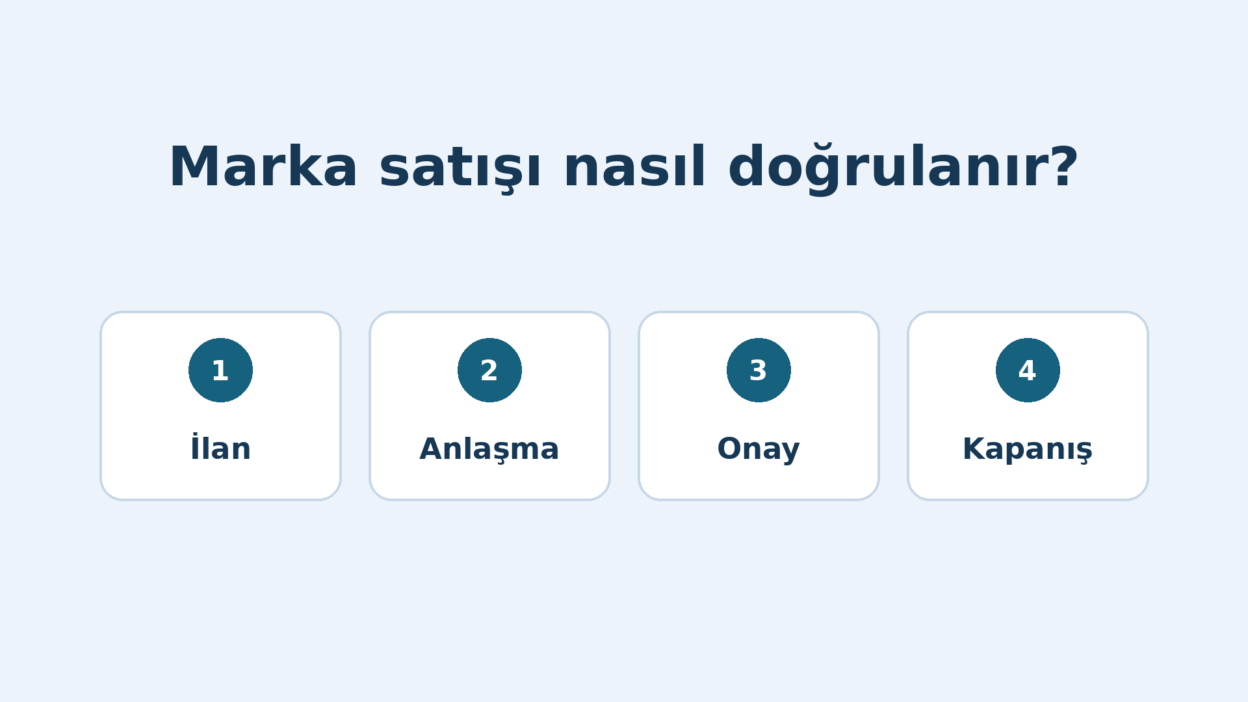
Putting a brand up for sale doesn’t mean it has passed to a new owner. A sale announcement, the agreement between the parties, the regulator’s decision if needed, and the closing notice belong to different stages. When you see news, first check what the transaction actually covers, then verify which stage your document confirms.
At a glance
| Sale announcement | Indicates that the sale process has started |
|---|---|
| Agreement | Describes the transaction agreed upon by the parties |
| Regulatory decision | Shows the regulator’s assessment of the transaction |
| Closing | Provides a statement or record that the transaction has been completed |
1. Separate the announcement from the agreement
In a tender announcement, the company shares, brand rights, or asset package being sold can be defined. The announcement may also explain how bids will be collected and on what date the auction will take place. The information you read here indicates that the party preparing the sale has initiated a process. The date of the auction alone does not mean the company will get a new owner on that day.
Announcing that the buyer and seller have signed an agreement can come at a later stage. This time, you’ll learn the names of the parties and the transaction they agreed on. If the announcement states that the deal is subject to certain approvals or conditions, make sure those have been met. Phrases in the headline like “selling,” “will buy,” and “bought” carry different levels of certainty. When you’re unsure from the headline, look in the body of the announcement for the wording used to describe the completion status of the transaction.
If a statement says ‘share sale agreement signed,’ also check which company the contract refers to. Sometimes the news uses the brand name the reader knows, while the official document gives the full legal name of the entity being sold. Without connecting these two names, including other brands in the same group as part of the deal can create a misleading scope.
2. Look closely at what exactly the regulatory authority approved
A regulatory body decision can include the names of the buyer, seller, or target company, as well as the scope of the transaction. The outcome might, for example, state that a specific acquisition is allowed. Such a document is a strong source for checking the company names and the regulatory status of the deal. However, the approval date may differ from the transaction’s closing date.
When reading the document, write down the full name of the target company. If a group operates multiple brands, the sale may only pertain to one subsidiary or specific assets. The transfer of a 30% stake in a company is not the same as transferring all shares. The sale of a product category does not mean that all brands within the group have passed to the buyer. These distinctions might not appear in the news headline and should be sought in the main transaction description.
The same type of corporate approval is not required for each brand sale. What matters is in which country, between which companies, and under what conditions the transaction takes place. Not finding a corporate record alone does not mean a sale didn’t happen. In such cases, documents like the closing notice from the parties, subsequent financial reports, or new partnership registration can be other starting points for research.
In the third Aytemiz example, compare the two documents.
For the Aytemiz transaction in 2023, you can first review the decision by the Competition Authority. The decision deals with the transaction regarding Tatneft’s acquisition of Aytemiz Fuel Distribution Inc. In this record, you can verify the parties involved in the transaction and the date of the decision. Then, look at the announcement by D Investment Bank stating that the transaction they advised on has been completed.
The purpose of using the second document is to confirm what happened after the regulatory stage described in the first document. When the two documents are read together, it becomes clear which company the 2023 transaction involved and in which record its completion was announced. This example relates to Aytemiz’s sale at that time. If you read news about a later transaction, you will need to reassess it with its own documents.
4. Write the outcome with the date and scope of the document
When reviewing a sales file, you can note the following information in a single line: the full name of the target company, the buyer’s name, the transferred share or asset, the date of the document, and the transaction stage mentioned in the document. For example, if the source says “permission granted,” your note should remain as the permission stage. For the phrase “transaction completed,” separately record the document supporting the closing.
If two different announcements show different dates, first write what event each date refers to. One statement might give the signing day, another the approval day, and a third the day shares were transferred to the buyer. Having three dates for the same transaction doesn’t mean the documents contradict each other. Using each date alongside its related event also makes future updates easier.
If you cannot find a closing announcement, say so. You can still report the agreement or approval and identify what remains unconfirmed. Even a verified closing only establishes ownership at that point in time. Check for subsequent transfers before describing the current owner. This lets readers see both who acquired the business and which document supports that conclusion.